
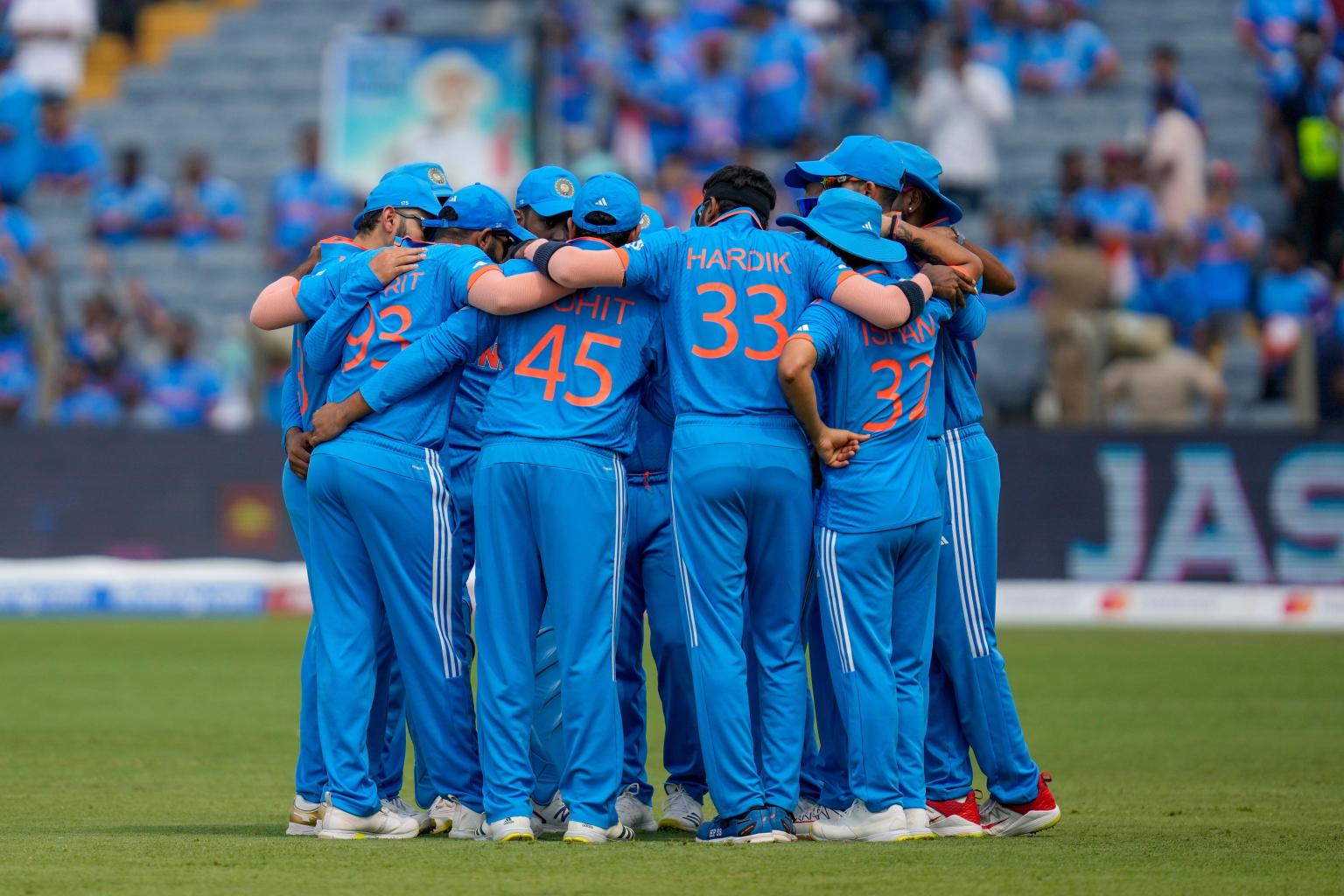
With two rounds left, Bangladesh and England have been eliminated from semi final qualification whilst the hosts have sailed through at the top of the standings with seven wins from seven. But what two weeks ago seemed confirmed as the top four comes under scrutiny as some surprise results see Australia and New Zealand in a much tighter battle for the last two qualification spots that it once seemed.
INDIA – RTS SCORE: 5/5
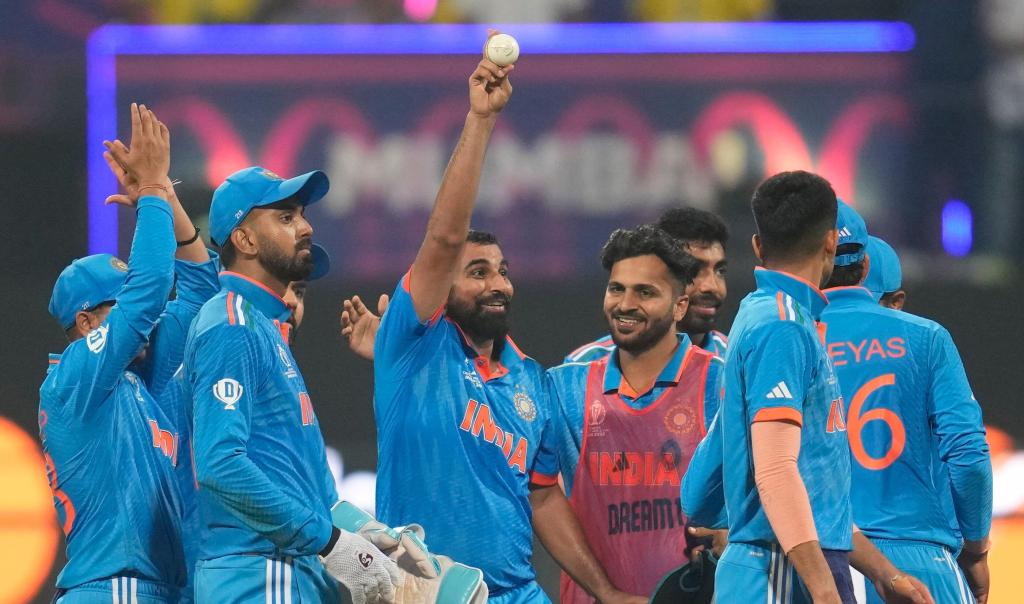
India’s clinical dismissal of Sri Lanka, almost setting a new record for lowest run score set by a team in Sri Lanka’s batting innings, not only confirmed the host nation into the semi finals, but continuing their unbeaten streak in the group stages.
Winning the toss, Sri Lanka took a leaf out of England’s book and put India in to bowl first, hoping to repeat a similar performance to the defending champions and restrict the run chase to a low 200 score. It started out in the best way possible for Sri Lanka, as Dilshan Madushanka got the highly needed wicket of in-form Rohit Sharma with the second ball of the game. Had that have been a message of things to come, Sri Lanka would have been feeling confident. But that most certainly was not the case.
Making sure to not repeat the desire for quick runs and almost desperate batting that was something of note in their face off against England, Shubman Gill, Virat Kohli and Shreyas Iyer all made sure their tenure at the crease was a long one, with all three nearly adding centuries to the Indian total. At one point, Gill and Kohli were fighting for the strike in a game-within-a-game battle to try and reach 100 first. None of the three did make a three-digit total, but the 92, 88 and 82 put on respectively from the trio got India’s innings in the perfect place.
They were 357-8 come the end of the 50 overs, leaving a 358 chase for Sri Lanka. Had they completed the run chase successfully, it would have been Sri Lanka’s highest score in the tournament, but the Indian bowlers simply didn’t let them even get started.
Of the four Sri Lankan batters that fell for a duck, three of them were golden ducks leaving the field without impact as they were heading back to the dressing room no sooner had they got onto it. Mohammad Shami was brutal in his approach, taking a fifer and only giving away 18 runs in his five overs. In a display of just how efficient the bowling attack was, their most expensive bowler with an economy rate of 6 was Ravindra Jadeja taking one wicket and leaking four runs in the four balls he bowled.
The clean sheet puts them safely in the top four, even if they lost their next two games. One more win would make them uncatchable for the top of the table at the end of the group stages.
SOUTH AFRICA – RTS SCORE: 5/5
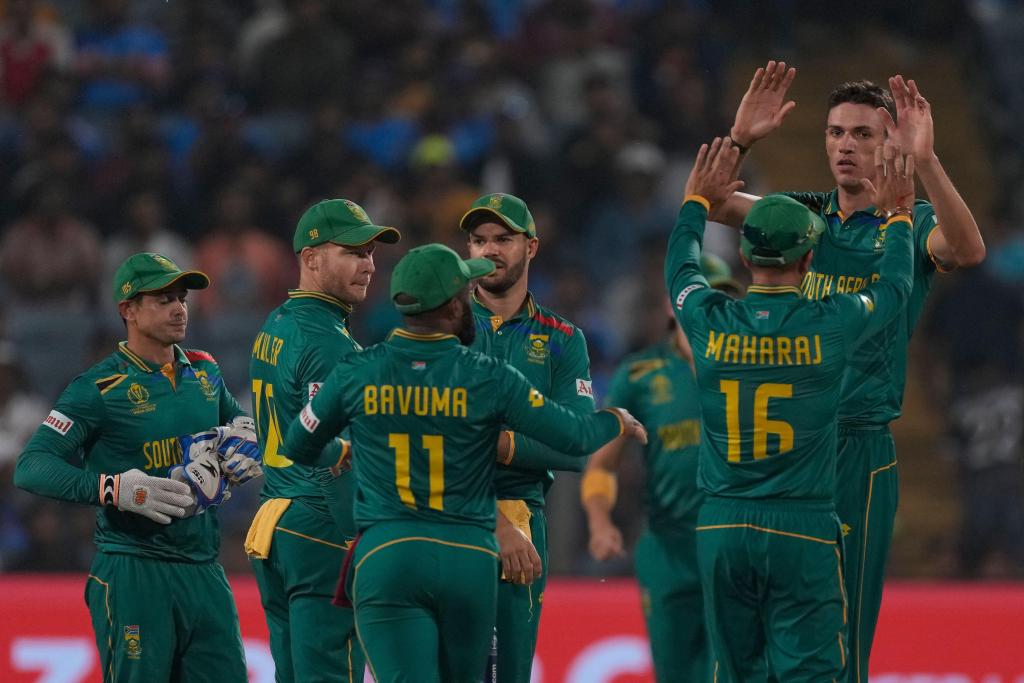
RTS would have assumed by now that teams would have worked out putting South Africa into bat first was almost a sure fire way to give the second on the table team another victory. A memo that didn’t seem to have been received by New Zealand captain Tom Latham, who won the toss and decided to bowl. Making the same mistake that England did coming up against the Proteas, the South African squad retained their 100% win record when batting in the first innings.
New Zealand’s first break through came in the ninth over, getting the wicket of captain Temba Bavuma for 24, but they had no answer for the Quinton de Kock and Rassie van der Dussen partnership that was to follow. A second wicket partnership of 200 with the duo almost making it through the rest of the game without losing another wicket really sent the tone for what score New Zealand would have to catch. The 115 from de Kock marked the fourth century he has claimed in this competition, easily making him the highest scoring batsman in this contest so far.
David Miller, Heinrich Klaasen and Aiden Markram added another 120 runs in the final ten overs to set New Zealand a chase of 358 to win the game, with Markram only facing one ball in his innings which went for six. It was just another reminder of the mentality that South Africa took to the crease and the power of their batting line up, something that New Zealand may have underestimated slightly or overestimated their ability to overcome such a batting force.
There have been games where, if the pressure gets high for the Proteas, their bowling until can suffer and leak runs. However since the game against the Netherlands, their only loss on the board so far, it seems this has been a focal point for the Proteas, and a clear attempt to tighten up their bowling attack has been witnessed. Two wickets claimed in the first power play versus the one New Zealand got kept the pressure off the South African bowling attack, holding onto the upper hand as they began their slow pulling apart of New Zealand’s batting order.
It wasn’t a close contest in the end, with New Zealand’s final wicket being claimed on 167. Kagiso Rabada ended the innings with the best economy rate (2.67) giving just 16 runs from his six overs in which he took the wicket of captain Latham, but the team’s bowling average was only a 4.53 economy rate, putting them right on top of the Kiwis. The emphatic win means that one more loss from New Zealand would confirm South Africa qualification into the semi finals.
AUSTRALIA – RTS SCORE: 5/5

It’s always an event when Australia go up against England, especially in cricket and especially this year coming off the back of one of the most thrilling Ashes Series in history. But with one team very much in form and the other dragging on their knees, it wasn’t predicted to be the closely fought contest it ended up being.
Not as close as other games we’ve seen in the tournament, but one of the closest as England tried to put on a charge with the bat. They’d put Australia into bat first, and getting the early wickets of in form and damaging Travis Head and David Warner, it looked like it might be going the Three Lion’s way. However, the Aussie’s weren’t going down without a fight, and the knocks from Steve Smith, Marnus Labuschange, Cameron Green and, importantly as it would come to pass, Adam Zampa took the final innings score up to 286.
Australia started out the same way as England, getting early wickets with two falling in the first power play impressively cheaply. However, just as Smith and Labuschange had settled into the crease, Ben Stoke and Dawid Malan were looking comfortable, getting a feel for the wicket before they unleashed their attack for the chase. With a fast outfield and dew setting in, the odds were in England’s favour as they tried, for the first time in three games, to score above 200.
Adam Zampa was the hero of Australia’s match, not only with the bat – adding an important 29 to the run chase when he came in as penultimate batter – but also taking crucial catches in the field and getting three wickets from his spin attack (four including the catch that dispatched Stokes). England didn’t take the pressure off until their last wicket fell, but the 287 target was just out of reach for the off-form defending champions.
The result sees Australia on the cusp of World Cup semi finals qualification, now with 10 points on the board. One more win would see them out of reach of the now congested middle order, leaving New Zealand, Afghanistan and Pakistan to fight it out for fourth with one game remaining.
NEW ZEALAND – RTS SCORE: 2/5
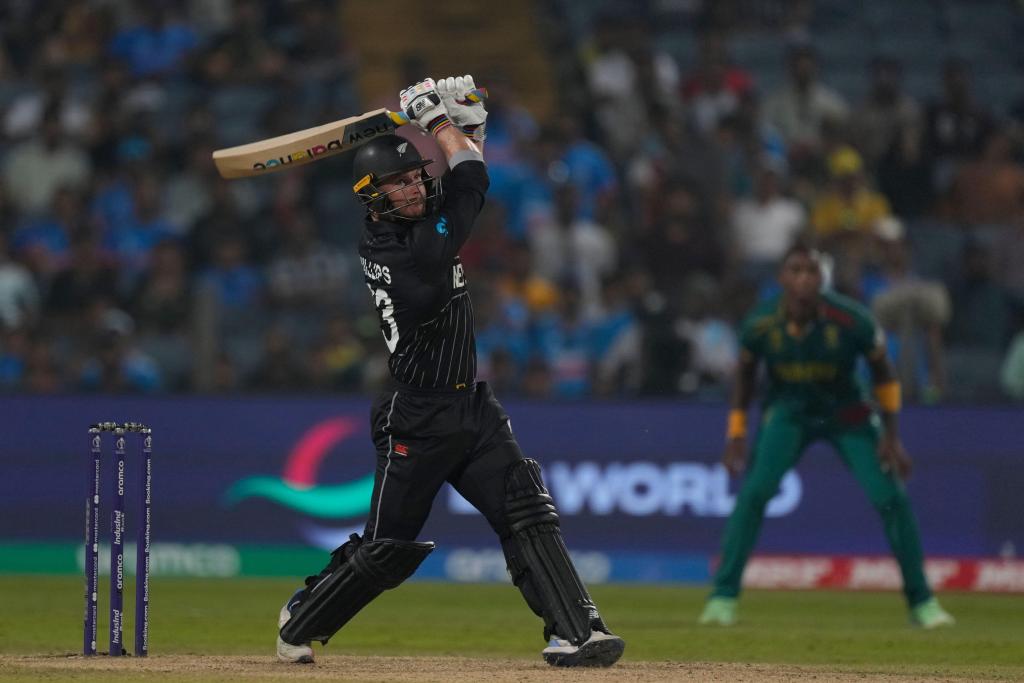
The choice to bowl first against South Africa was a confusing one when New Zealand won the toss, made even more so when, in a post match interview after losing to the Proteas by 190 runs, captain Tom Latham stood by the decision and said he would make the same choice if he had his time again. With a competition as batting focused as this one and with South Africa having such a dominant batting line up – their two closest games, one resulting in defeat, came about when South Africa batted second – it would have made sense for New Zealand to bat first and put a big total on the board. Just as South Africa did to them.
The comparison of the two batting innings came from the building of partnerships. Whilst South Africa put on partnerships of 200 and 78 with individual scores of 114, 133 and 54 to boast from three of the five batsmen that took to the crease, New Zealand’s batters couldn’t seem to get in tune with the pitch, leading to a heavy defeat. Glenn Phillips was there best effort, with 60 off 50 balls, but he came in too late to save the innings, the team 67-4 when he took to the crease.
It wasn’t a bad bowling effort from the Kiwis, but with four of the six ending the innings with economy rates over seven for just four wickets across the team, it was clear to see where the advantage had slipped. James Neesham, the one who almost dragged the game back from the jaws of defeat last time out against Australia, was the most expensive, with an economy rate of 12.55 off his 5.3 overs.
The second loss in a row, and this heavy defeat, is starting to put New Zealand’s qualification hopes on the line. Having started the contest as one of the favourites, their recent dip in form is coming at the wrong moment for them but the right for other’s looking to break into the top four. Afghanistan and, with their return to winning ways against Bangladesh, Pakistan are waiting to pounce should the Kiwi’s not rediscover the performance they had four weeks ago.
Sadly for the Kiwis, the team takes another blow as Matt Henry has been ruled out of the rest of the competition after tearing his hamstring during the South Africa game. He left the field halfway through the South African innings, and although came out to bat for his team in the second to save them giving up a wicket, it was clear he wasn’t right. He has been confirmed to be replaced by Kyle Jamieson who will be available for selection along with captain Kane Williamson for their next game against Pakistan.
AFGHANISTAN – RTS SCORE: 4/5
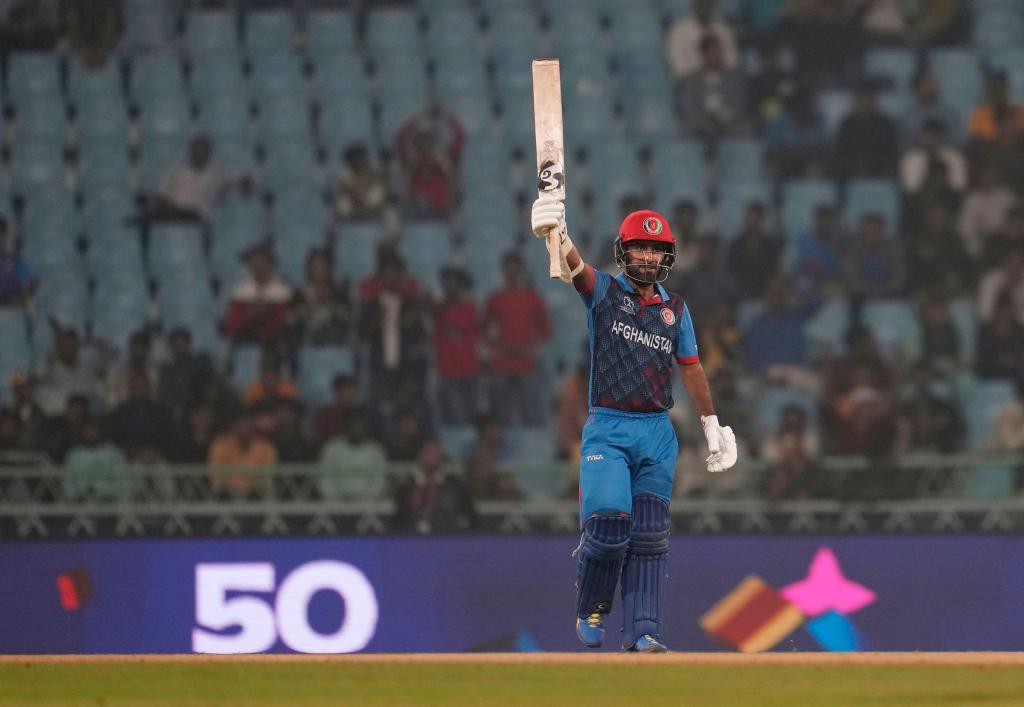
The match up between Afghanistan and Netherlands established one thing for certain: Afghanistan cannot just be seen as a filler contender anymore. Taking their fourth win of the contest, they place themselves perfectly to cause upset at the top and take a semi final place, something four weeks ago would have seemed impossible.
It’s no secret the Afghanistan team hasn’t got the strongest game play of the contest, with bat or ball, but their run average of 222 off seven games can arguably come courtesy of their ability to restrict batting teams from putting too high run chases for them to catch. As seems the opposite to the norm in this competition, the bowl first approach is the one that is working for Afghanistan. If it isn’t broken, don’t fix it or question it and their 100% success rate in winning after batting second should not be ignored.
After getting an early wicket, it took until the 12th to get their second, making it look like Netherlands had the upper hand. The quick fall of Colin Ackermann, Scott Edwards, and Bas de Leede, two of which were run out, put a stop to the building partnerships Netherlands had been getting on top of. It swung the momentum back to Afghanistan after a 70-run second wicket stand, which ended four overs early with Netherlands all out for 179.
It certainly wasn’t a high target to chase, with a required run rate of 3.5 to take their fourth victory. There very little pressure on the batsmen and time to settle at the crease and get a feel for the wicket, so Afghanistan took their time to make sure they got the job done. Losing just three wickets, fifties for Hashmatullah Shahidi and Rahmat Shah in at second and third had most of the chase done, leaving very little for those to do coming to the crease after they had been dispatched.
The fourth win puts Afghanistan on equal points with New Zealand at the end of the seventh round. Unless the Kiwis can get back on top of their form, it could be them who lose out on a place in the semi finals if Afghanistan keeps up its current winning streak.
PAKISTAN – RTS SCORE: 4/5
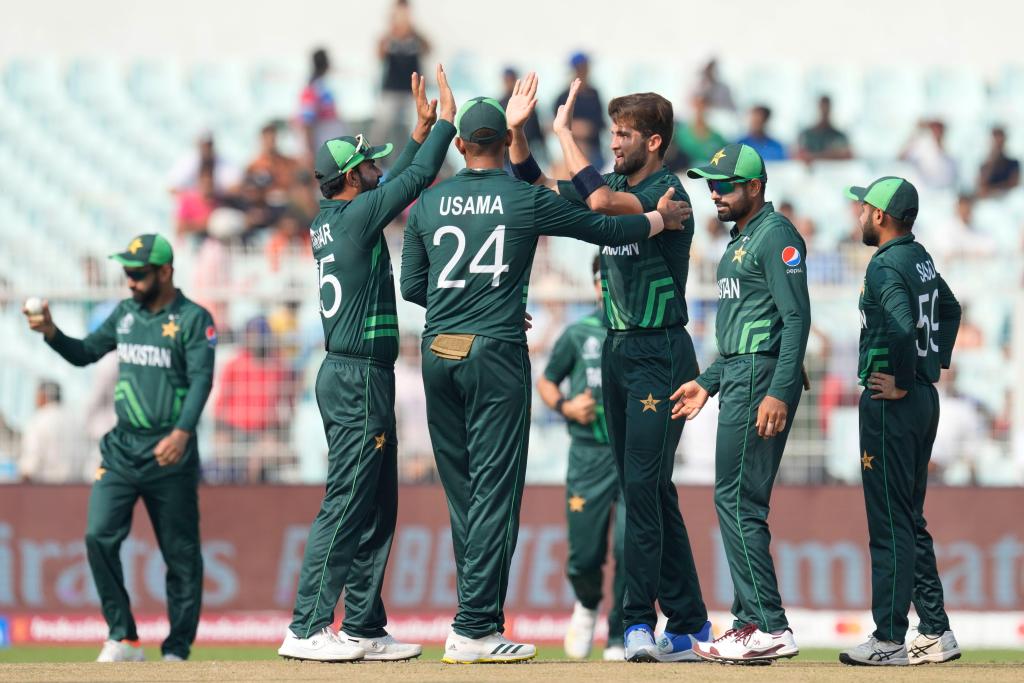
After a game they, arguably, should have won against South Africa last round, Pakistan had shown a determined effort to get back to the form they had started the competition with. Coming into the Bangladesh game knowing the opposition were on a losing streak as well but a win was needed to keep them in the competition, the Pakistan players came out with a mission of intent.
Bangladesh won the toss and elected to bat, so it was up to the Pakistan bowlers to get them out cheaply to try and assure victory for their bowlers. The game looked on after the fall of a couple of early wickets, with Bangladesh looking to settle and absorb some pressure Pakistan were throwing at them. However, as has been seen too many times throughout this contest, around halfway through the innings the opposition batters began to fall apart.
Shaheen Afridi was back on golden form, taking his 100th ODI wicket with the fifth ball of the game. He didn’t stop there, leading the charge to pick up two more wickets of Najmul Hossain Shanto and Mahmudullah as they got the Tigers all out in 45 overs. The Mahmudullah wicket was an important one as he, coming in at five, has been the one to carry the middle/tail end of Bangladesh in collapsing batting innings of late. To get him out for 56 off 70 was crucial in keeping the Bangladesh score as low as possible.
Mohammad Wasim Jr also joined Alfridi on a threefer to compound the Bangladesh batting innings, cleaning up the tail end whilst Afridi took down the top order. Having the second best economy rate behind Afridi, giving only 31 runs in the 8.1 overs he bowled, their dual attack was a high contribution to the run rate required by their batters being four an over.
A bit like Afghanistan with Netherlands, Pakistan had no pressure and all the time to get the required runs. They didn’t sit back in the crease, however, with the opening partnership putting 128 of the required 205 on the board before the loss of the first wicket. With eight wickets in hand and 77 needed with a required run rate of 2.7 an over there was nothing Bangladesh could do to stop them cruising to victory.
New Zealand’s loss and Pakistan’s win keep the latter on the edge of semi final qualification. The next game for both teams is against each other, so either Pakistan will be straight back into the qualification fight on still hanging on the outskirts with a lot riding on other teams’ performances to make it through depending on if they come out on top of the Kiwis.
SRI LANKA – RTS SCORE: 1/5
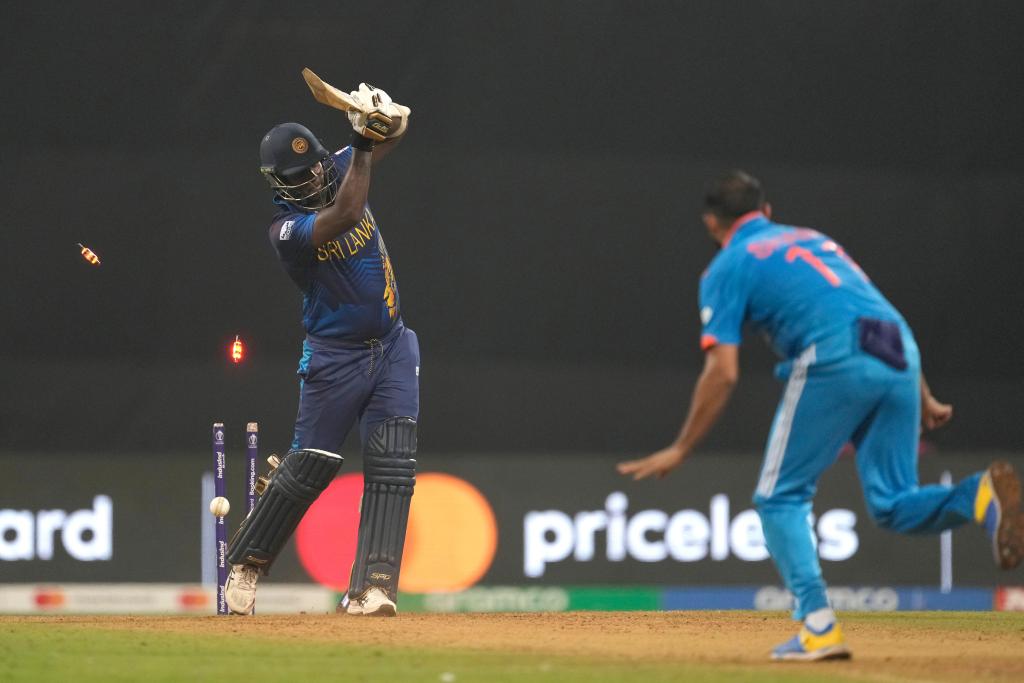
After finding the winning format against Netherlands and England, Sri Lanka were left with some searching to do after their game against Afghanistan, but after being annihilated by India there will be much more head scratching for seventh on the table. The loss also puts them in danger of missing out on the 2025 Champions Trophy as only the top eight in the World Cup standings will qualify.
Winning the toss, Sri Lanka put India in to bat, a decision led by the possibility of dew coming down in the second innings and assisting the ball for the batsmen. It started strong; although giving away a four on the first ball, it was quickly followed by a clean bowl out from Dilshan Madushanka to dismiss Rohit Sharma on the second. It was after that it started to fall apart as the bowling attack couldn’t break the 189-run strong second wicket stand of Shubman Gill and Virat Kohli.
Sri Lanka did keep up the trend of taking wickets once Gill and Kohil were taken, falling nine balls apart, and they made nine of the eleven batters take to the crease in the fifty overs. They would have been buoyed by the 357 score set by India, knowing the wicket was good for batting and knowing their batting order could do it, having started the competition with two mid 300 scores. It wasn’t going to be easy, but they would have thought it was possible.
The loss of five wickets in the first power play is the most anyone has lost in that period over the entire World Cup. 19-5 with 40 overs left had already made it clear Sri Lanka were losing the game, it became a question of by how much. The predictions from RTS were that they would be lucky to reach 50 before they were bowled out, so the 55 on the board at the fall of the tenth wicket was about all that could be expected from the 20-overs second innings. The best batter was in-at-ten bowler Kasun Rajitha, who managed to put 14 into the 55 total off 17 balls before he was caught by Gill.
Thanks to New Zealand’s South Africa loss, Sri Lanka are mathematically still in contention for qualification, but they’ll need to find out what went wrong for their batting line up if they hope to stay there. Their attention is likely more on making Champions Trophy qualification, for which they will need to finish in the top eight.
NETHERLANDS – RTS SCORE: 1/5

Never in an ODI World Cup game have four of the top five in a team been run out, but the stat was just testament to the way Netherlands went about their game after the lost of their second wicket. A team who have showed clever strategy, impressive tactics and using smart play to get on top of a stronger opposition in the past looked very lost when it came to the first innings of their game against Afghanistan.
They lost an early wicket in the first over, but Max O’Dowd and Colin Ackermann stood strong on the second wicket to put together a 70-run partnership. It was when O’Dowd was run out, arguably unlucky with the direct hit from Azmatullah Omarzai coming in from third man, that the innings began to fall apart. The next two wickets, in quick succession, of Ackermann and Scott Edwards who were both run out really saw the wheels falling off. After the fall of de Leede in the 21st over, Netherlands were only able to add another 82 runs in the remaining 25 overs until they were all bowled out.
The only stand out performance for Netherlands with the bat was Sybrand Engelbrecht, who scored their highest individual score of 68. Coming in at the 18th over, he stood until the 35th as Netherland’s last remaining hope to put on a big total. It was a good knock off 86 balls with six fours, but with no other support at the other end of the wicket it was always going to be a lot of responsibility on his shoulders.
Certainly, Netherlands had it all to do come the second innings, but they had won last time out against Bangladesh defending a low total. The key was getting fast wickets at the start of the innings to put the pressure straight back onto Afghanistan like Afghanistan did to them. It started well with Rahmandullah Gurbaz’s wicket falling in the sixth over, but the bowling attack never looked strong enough to keep Afghanistan down, even if they had glimpses of hope.
Still just in contention for qualification, Netherlands will need a lot to work their way and take the last two victories on offer to stay in with a chance. One more loss will see them joining Bangladesh and England in elimination and their next game is up against the 2019 champions. Both England and Netherlands have been struggling to find form with the bat recently, so it will be an important game for more reasons than one; both teams still looking to finish eighth or higher to take one of the prestigious Champions’ Trophy qualification spots.
BANGLADESH – RTS SCORE: 2/5
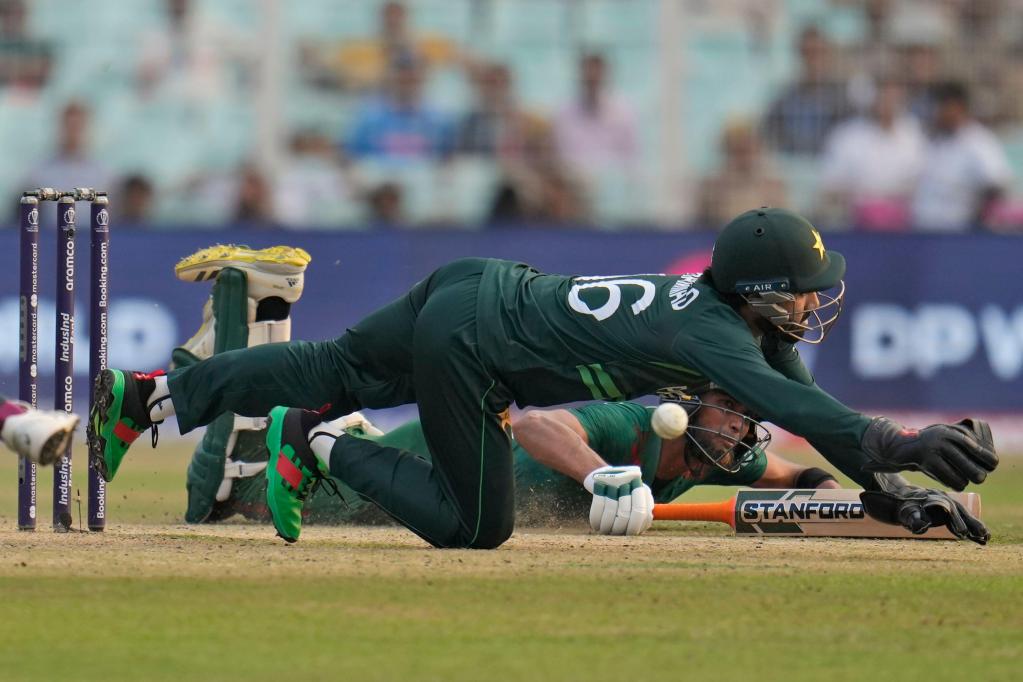
With only one win to their name at this point in the competition, Bangladesh needed to beat Pakistan to keep their thin semi finals qualification chances alive. But a collapsing batting order and a bowling attack that couldn’t bring it to the opposition has seen them eliminated from the tournament with two games to go.
Winning the toss and choosing to bat first, as has been the winning strategy for half of the games so far in this competition (18/36 wins taken by the team who batted first), seemed like the way to go. If they could expose the issues Pakistan had been having out in the field, they could start leaking runs to put the pressure back on the opposition.
That had certainly looked the way it was going to go down as some misfields gifted Bangladesh the chance to get settled and start applying the pressure. At 102-4 at the end of the 21st over, their run rate was giving them a score predictor of 242, which would have been possible to improve if they had wickets in hand coming into the last ten overs.
This was, sadly, where Bangladesh’s innings and World Cup hopes came crashing to an end. Losing their last six wickets in 15 overs, only adding 100 runs to the score made their defence on a sub par 204, even on a low-scoring wicket, very catchable for the Pakistan batters. Getting the job done clinically, the opposition were 128 runs into the chase when the first wicket fell, leaving nothing to be done to stop them storming to victory in just over 32 overs. The Bangladesh bowling attack didn’t have a terrible economy rate, with an average of 6.01 across all six bowlers. The issue was the run chase was too low and wickets didn’t fall fast enough for any sort of a defence.
Their fifth loss of the competition takes them out of contention for the 2023 World Cup. Now there attention will turn in the last two games to making sure then end in the top eight so that they qualify for the Champions Trophy. On two points with England, it’s the bottom two teams who have it all to do in their last couple of games.
ENGLAND – RTS SCORE: 3/5
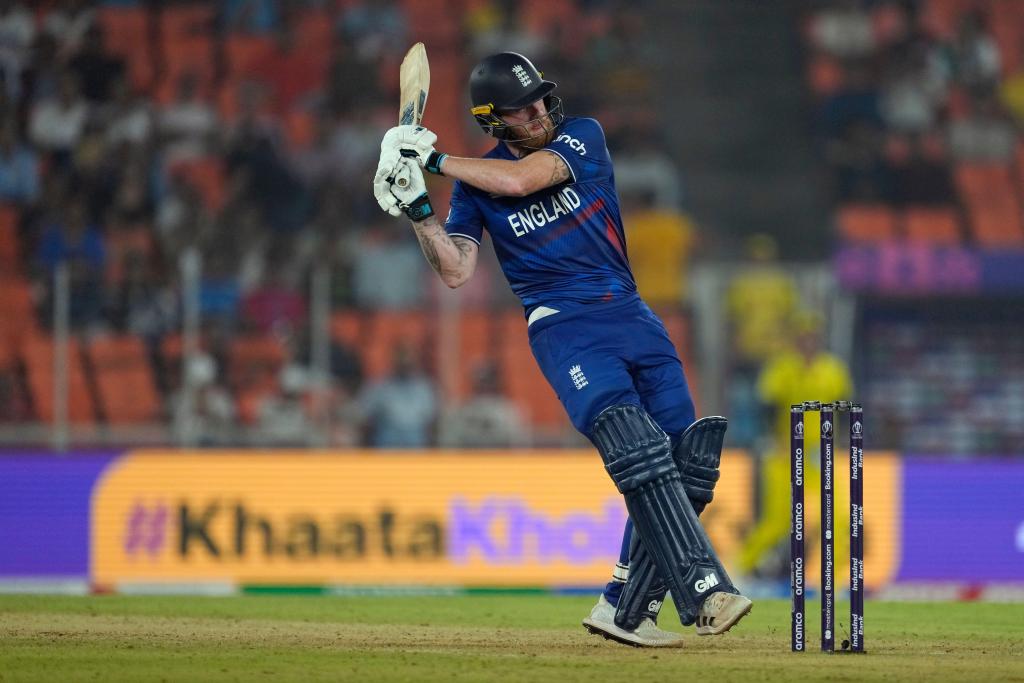
England have started to find form, and work out where the weaknesses in their game are in this World Cup competition. Unfortunately, it’s too little too late for the defending champions as their fifth loss in a row, this time to arch rivals Australia, has eliminated them from semi final contention.
Just as the team had against India, they fielded and bowled the ball well, getting crucial early wickets to keep them in the game. Australia were 38-2 just before the end of the sixth over, making it look like England had complete control, like they did in their last game against the host nation.
A large portion of both of these squads competed against each other in the most recent Ashes series, so knowing the style of play that each player prefers was an advantage to both. Difficulties getting the wickets of Steve Smith, Marnus Labuschange and Cameron Green enabled Australia to build three strong partnerships, putting a score that, at one point looked like it could be restricted at below 200, to nearly 300 by the fall of the last wicket.
Having not scored over 200 in the last three games and having batsmen out of form, it wasn’t a confident England who stepped up to the crease. Australia copy, paste, repeated the wicket taking form England showed in the first power play, getting Jonny Bairstow for a golden duck and Joe Root on a reviewed caught behind to leave the 2019 winners 19-2 halfway through the fourth over.
It wasn’t over, however, if England could do as Australia did and build some partnerships. It was looking good as Ben Stokes join Dawid Malan, the pair putting on an 84-run partnership before Malan fell and Moeen Ali stood at the crease with Stokes for a further 63-run partnership, but the fast dispatching of Jos Buttler (one off seven) and Liam Livingstone (two off five) left the tail end, once again, too much to do. Chris Woakes and David Willey deserve a notable mention for their efforts with both bat and ball, keeping England in the charge even when all hope seemed lost, but when the team lost by 33 runs it comes into clarity that a spell longer than ten balls for either Bairstow, Root, Buttler or Livingstone could have made all the difference.
Round The Stumps Cricket World Cup Standings
| M1 | M2 | M3 | M4 | M5 | M6 | M7 | M8 | M9 | TOTAL | |
| SA | 4 | 5 | 2 | 5 | 4 | 4 | 5 | 29 | ||
| IND | 3 | 4 | 5 | 4 | 4 | 3 | 5 | 28 | ||
| AUS | 2 | 1 | 3 | 4 | 5 | 5 | 5 | 25 | ||
| NZ | 5 | 4 | 3 | 4 | 3 | 4 | 2 | 25 | ||
| AFG | 1 | 2 | 5 | 2 | 5 | 4 | 4 | 23 | ||
| PAK | 3 | 4 | 2 | 2 | 2 | 4 | 4 | 21 | ||
| SL | 4 | 3 | 4 | 3 | 4 | 2 | 1 | 19 | ||
| NED | 3 | 3 | 2 | 3 | 1 | 3 | 1 | 18 | ||
| BAN | 3 | 2 | 3 | 3 | 2 | 2 | 2 | 17 | ||
| ENG | 1 | 2 | 1 | 1 | 1 | 3 | 3 | 14 |
