
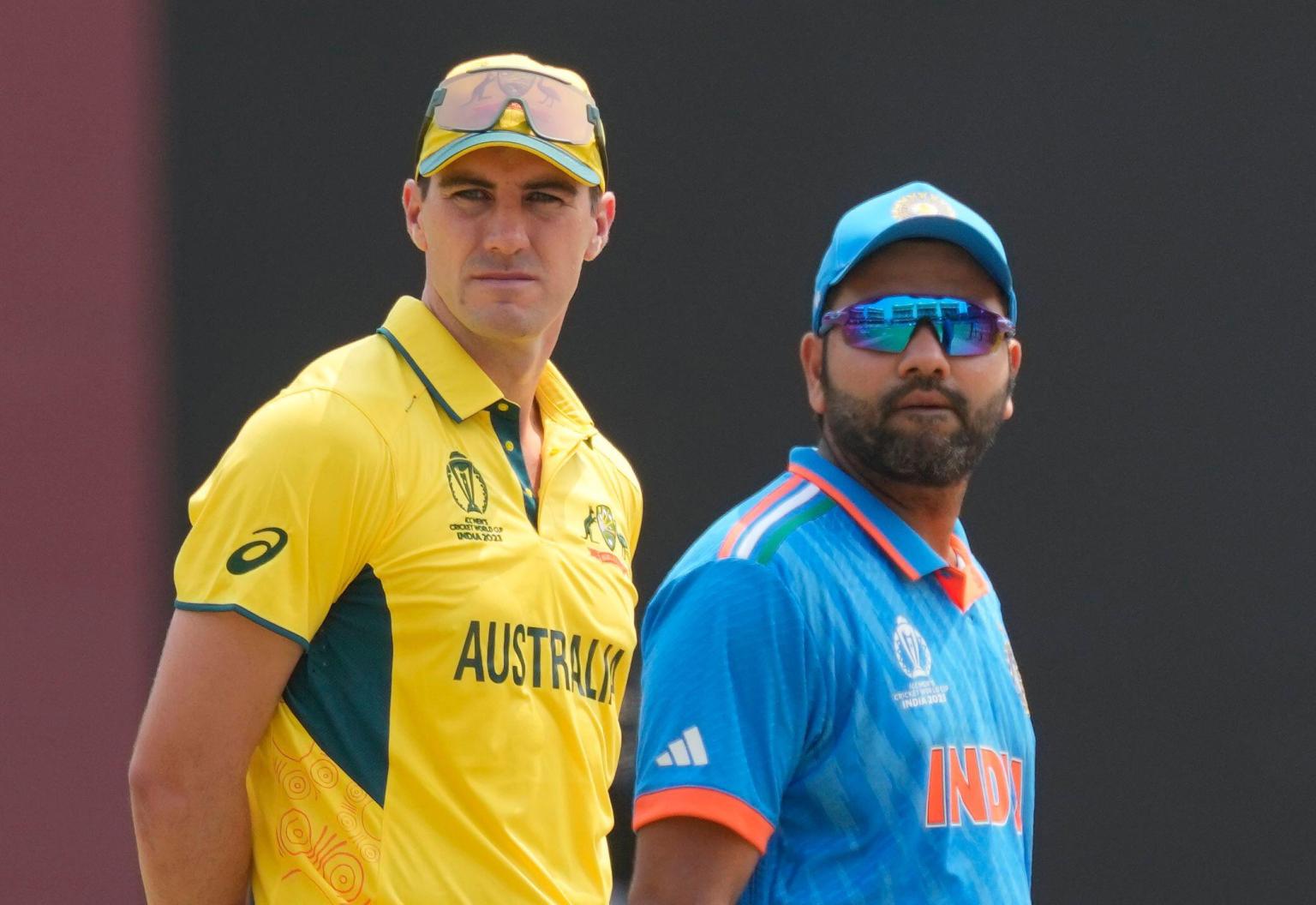
Seven weeks and 47 matches have now been played in the 13th edition of the tournament, leaving only the final to decide which team will come out on top. Although both semi finals were closely contested, both winning teams looked to get the advantage in the first innings making victory almost inevitable. Neither semi final played out all 50 overs suggesting that the match ups were perhaps a little one sided. Cream rises to the top, as they say, and surely India and Australia’s defeats of New Zealand and South Africa respectively should indicate that the best two teams have made it to the final as we come into the last game of the tournament.
INDIA – RTS SCORE 5/5
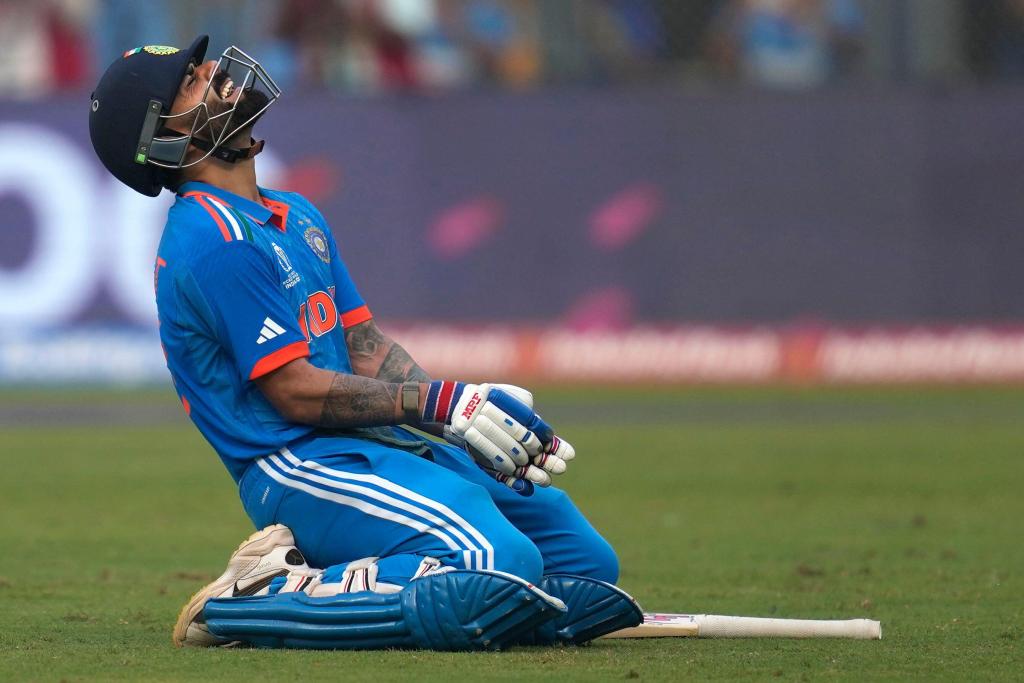
Having the ghost of their 2019 semi-finals match up with New Zealand hovering over their heads, India were determined to keep up their unbeaten streak in this tournament to put them through to the final. New Zealand should never be seen as an easy target, but the very in-form host nation had the advantage as they went into the second innings.
Leading from the front, Rohit Sharma came to the crease with the same destructive aggression he has taken to every game in the tournament. It would have given the Kiwis confidence as they dispatched of the captain just shy of hitting a half century in the power play, but it was quickly evident it was not going to be enough if they were to stay in the game. Virat Kohli joined Shubman Gill at the crease to put on a 256 partnership before Kohli fell at the end of the 44th over, a spell that included Kohli taking his 50th ODI century and beating Sachin Tendulkar’s all time most record, something he matched in the group stage game against South Africa.
The 398 chase was a tall order to ask of the Black Caps, and after the first power play claimed the wickets of Devon Conway and Rachin Ravindra, the advantage was even more in India’s hands. New Zealand managed to make their third wicket partnership stand for 181 runs, Daryl Mitchell putting another century to his name, in a similar manner to the Kohli/Gill partnership in the Indian innings. It had looked like they had got back on track, dominating the second power play just as India had, but the difference was India’s bowling attack was much more restrictive than New Zealand’s had been during the same period, always keeping them on the back foot and pushing them to have to open the bat to catch the chase. 70 runs was the Indian lead when Mohammad Shami and KH Rahul took the final wicket of Lockie Fergeson.
Once again, India looked on top of the game with bat and ball, New Zealand always on the back foot trying to make up ground. It does seem like an indestructible side at the moment, and they will have a big dose of confidence as they head into the final against Australia on Sunday.
AUSTRALIA – RTS SCORE 5/5
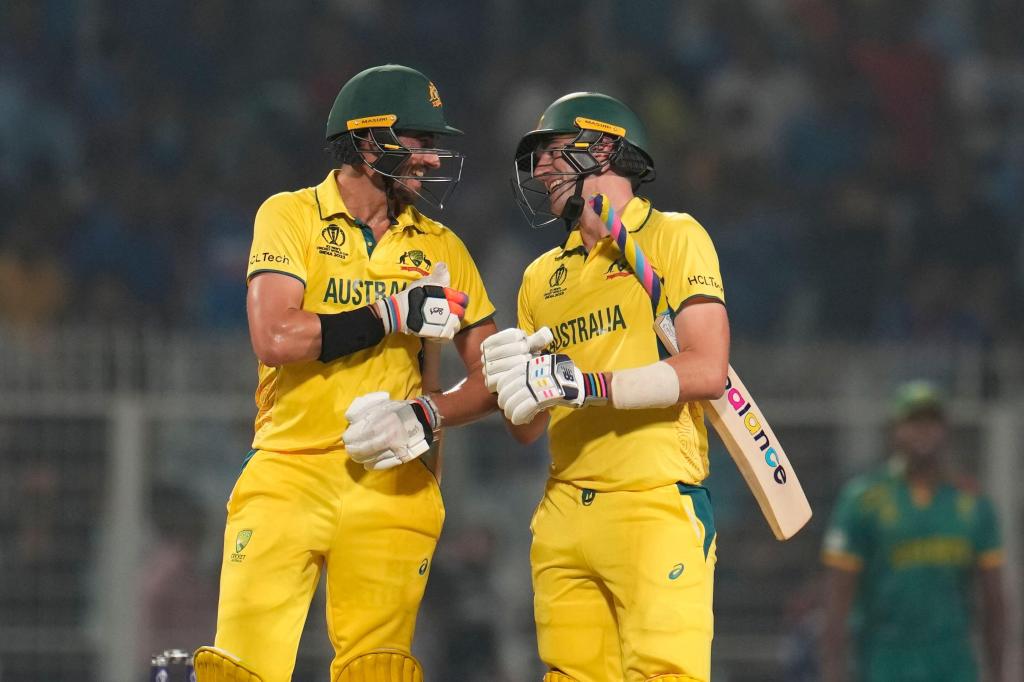
South Africa and Australia seemed to have been toe-to-toe throughout the group stages, so the second semi final game was predicted to be the closer of the two. It looked like a good match up and a game that could be won on the toss given South Africa’s destructive battling line up. It was unsurprising when the Proteas won the toss that they decided to bat first, but Australia did what no other team had managed to do; restrict them to keep the chase low.
Eden Garden’s pitch at Kolkata was one of the more used wickets, meaning high scores were not predicted. However, the 211 all out that South Africa put on the board was towards the sub par end, especially when at one point it didn’t look like 200 runs would be taken. Important wickets of captain Temba Bavuma and Quinton de Kock were both taken within the first power play, de Kock leaving the field from his final ODI batting innings with the score 8-2 in the sixth over. The warning signs were on the wall for the Proteas when the third wicket of Aiden Markram was taken just into the 11th, the score 22-3. Mitchell Starc and Josh Hazelwood cleaned out the dangerous top order of the South African batting line cheaply and quickly, leaving the team who had been known as one of the strongest batting outfits on the back foot come the halfway stage of the game.
The normal aggressive batting style from the Australian openers was back out on display, tackling the game more like a 20 overs match rather than a 50. The positivity worked because Australia were already 60-1 in the seventh over when they lost their first wicket of David Warner. Travis Head was back on form putting 62 on the scorecard before he was dispatched of, a strong third wicket partnership with Steve Smith getting them to 106-3 – just under halfway through the chase – when he came off the pitch.
There was a stage in the 22nd over where South Africa got back on top of the Aussies, getting some quick wickets and dispatching of the oppressive Marnus Labuschange and Glenn Maxwell relatively cheaply. It looked like the Proteas could do enough to somehow salvage and protect their low score. The overs remaining and calm collectiveness of Starc and captain Pat Cummins at the crease, however, saw the game was never really in danger, sailing to victory easily with three wickets in hand and 16 balls left.
Coming up against India in the final, it’s going to be a challenge for Australia to get on top of them. Of course, Australia have been improving and really seeing their performance with bat and ball get stronger the deeper they have gone in the contest, but India have yet to feel the ripples of challenge. Will that all be changed on Sunday, and will Australia break the hearts of billions of Indian spectators as they tune in to watch their home nation try to bring it home?
SOUTH AFRICA – RTS SCORE 4/5
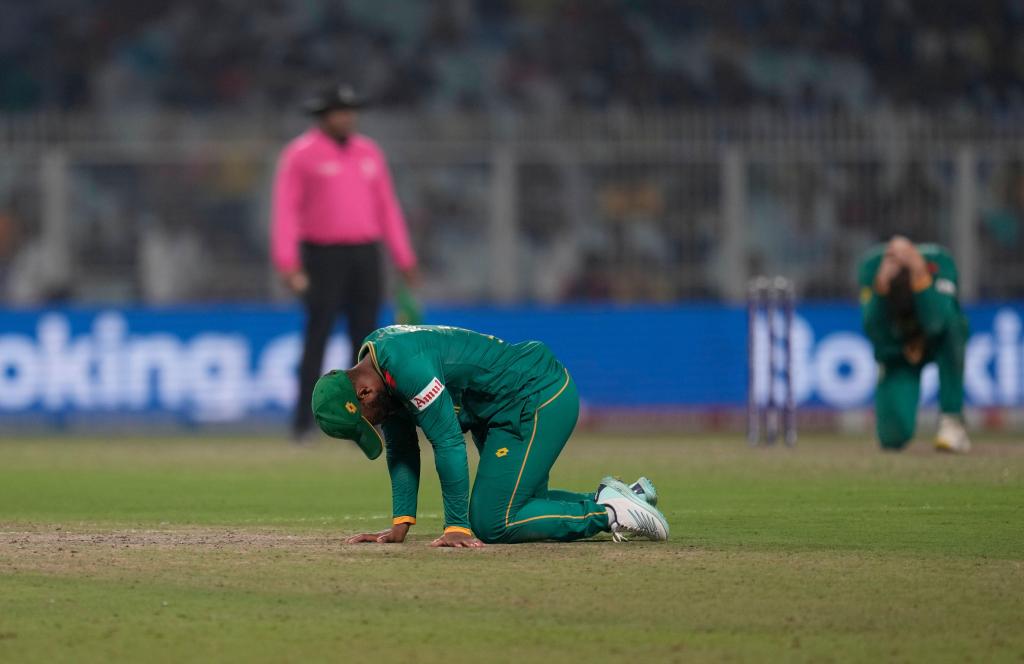
South Africa’s confidence has seemed shaky since their heavy defeat against India in the group stages, something that the team hadn’t seemed to have got on top of ahead of their semi finals match up with Australia. It didn’t get better when Mitchell Starc and Josh Hazelwood rattled through their top order batsmen relatively quickly and cheaply after the toss had gone the Proteas way and they had opted to bat first. This was to be the first time all tournament that South Africa batted first and went on to lose the game.
211 was a much lower score than South Africa would have wanted to put on the board, knowing the heavy hitters of Travis Head, David Warner and Mitchell Marsh were the first three to the crease come the start of Australia’s innings. David Miller became the man of the moment as he held up one end of the wicket, getting to 101 runs before he was caught out. It was testament to how well Australia were bowling that the 101, the highest solo score of a South African batter, came out of 116 balls, a strike rate much lower than expected from the heavy-hitting batter. It looked like Heinrich Klaasen and he were going to be the saviours of the innings, putting in an almost century partnership before Klaasen was bowled out. Wickets at the other end fell too frequently to support Miller, and once he himself had gone there was no fire power left to boost the run chase to a more threatening number.
Taking Marsh’s wicket for a duck off six balls was the boost South Africa needed, but Head, Warner and Steve Smith put in great efforts to carve into the run chase. The Aussies were 106-3 when Head’s wicket was taken. Gerald Coetzee and Tabrazi Shamsi got the desperately needed wickets of Smith, Marnus Labuschange, Glenn Maxwell (for 1) and Josh Inglis going into the final power play, but there attack wasn’t enough to dismiss Starc or captain Pat Cummins who had the time to not play risky shots in the death and still get their team over the line.
The batting attack of South Africa has been something to be envied throughout the 2023 Cricket World Cup, but it’s also been the team’s Achilles heel. If the batting collapsed or felt the pressure of a big chase, the bowling attack has not been strong enough to back them up or take the pressure off, and that has been when the Proteas have found themselves down and out. Certainly many positives to take away from the competition, but for South Africa to take the next step forwards and make the final in 2027, they’ll need to boost their bowling to be as confident and aggressive as their batting.
NEW ZEALAND – RTS SCORE 3/5
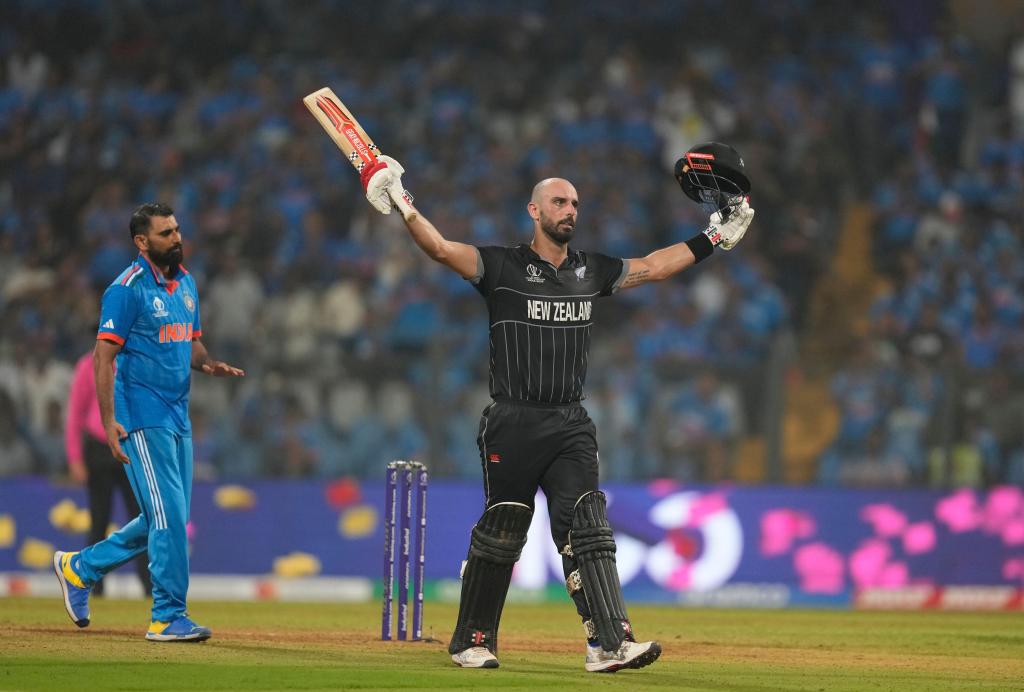
It seems to be the story for New Zealand at ODI World Cups that they’re always the bridesmaids and never the bride, once again falling at the penultimate hurdle and missing out on the 2023 World Cup final. They looked like they were returning to form after their compelling defeat of Sri Lanka in their final group stage game and so it wasn’t a New Zealand that India were 100% they could beat. The game was certainly on, and had the Black Caps kept the pressure and got consistent wickets rather than going 35 overs without any dismissals, they could have caused deep upset for India, stopping them at the last to reach their home World Cup final.
It had looked like they were on for a restrictive bowling spell when Tim Southee took Rohit Sharma’s wicket in the ninth over, stopping the captain from reaching his half century. Unfortunately for the Kiwis, that was the only shinning light until the 44th over, and for 210 balls they watched India’s Shubman Gill and Virat Kohli climb the Indian total closer to 400. Only Southee and Trent Boult got wickets to their names, Southee taking three to Boult’s one, but an average economy rate of 7.83 across all six bowlers in the attack was one of the most expensive New Zealand have had in the entire tournament. The fast-scoring Wankhede pitch would have been something to give the Kiwis a bit of hope in catching the chase, but they went into their innings with all the pressure on their shoulders.
Two wickets lost in the opening power play compared to India’s one kept the pressure on the Black Caps, and although the New Zealand squad bats deep, it was the pressure and fear of losing wickets that kept the required run rate going up rather than down. Daryl Mitchell was the stand out performer, scoring 134 off 119 with nine fours and seven sixes before he was caught out. His 181 partnership with captain Kane Williamson certainly helped reel in India’s 398 chase, but once Williamson fell with the team on 220-3 wickets came too frequently to get the team across the line. Lockie Fergeson was the tenth wicket to fall, leaving the Kiwi’s 70 short of their target after 48.5 overs.
The slump in performance towards the end of the group stages put New Zealand in a similar position to South Africa; confident in their play style but lost a little into where the performance went. It’s these niggling doubts that can rock a team enough to make them just a bit less positive in their approach, exposing weaknesses and opening them up to simple mistakes.
Of the four teams that made it through to the semi finals, RTS feels that the two more deserving teams made it through to the final. With India still unshaken and Australia constantly improving their game, the match up on Sunday for the title should be the closest of the tournament. We here are just hoping that it won’t be a whitewash.
